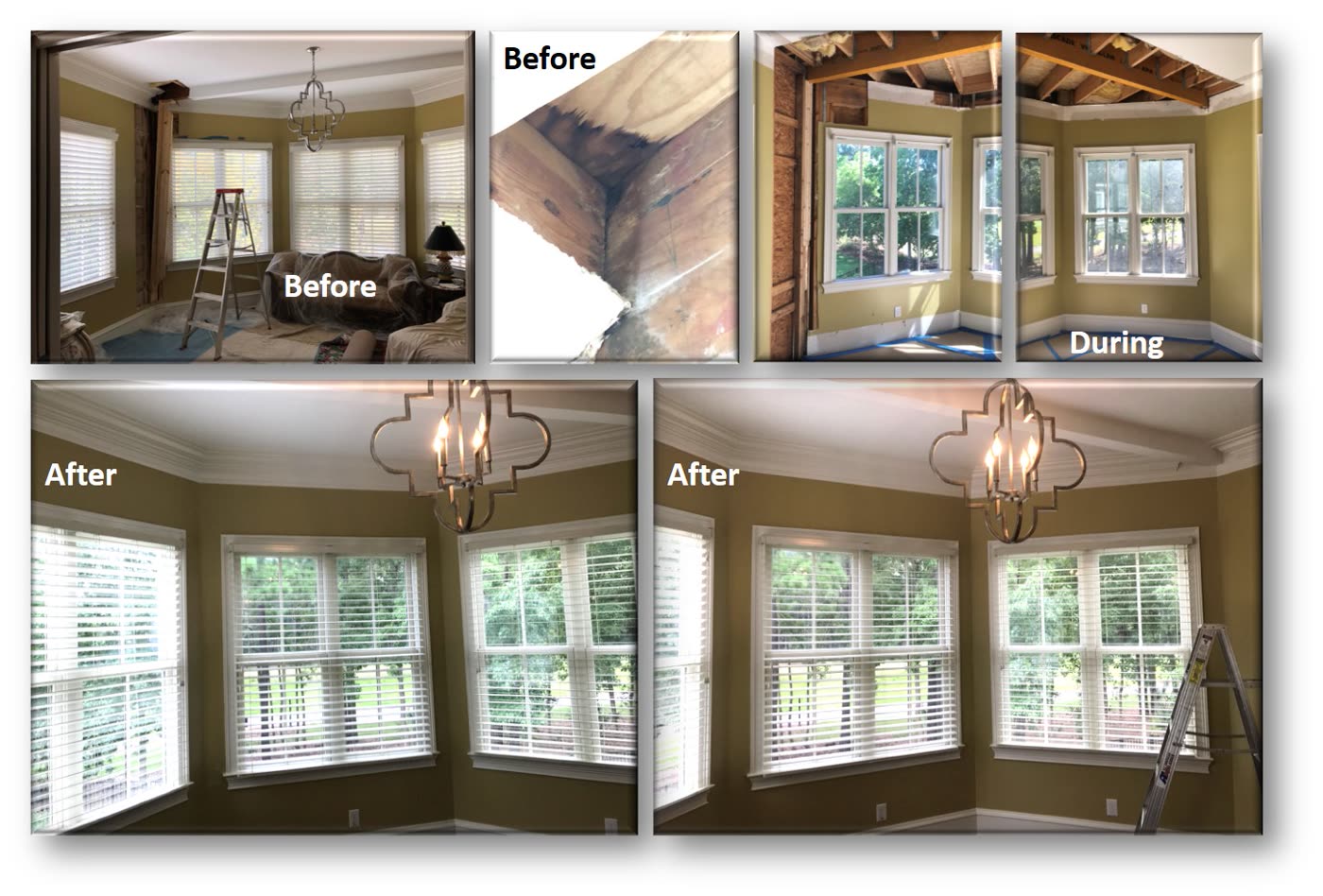
Fort Worth water-damage response
Fort Worth water damage restoration, built around the property.
A plumbing failure, overflow, or storm leak can affect more than the area you can see. Start with safety, then organize assessment, water removal, drying, cleanup, and repair decisions around the materials involved.
Call (817) 730-5421Tell us the source, timing, rooms, and materials affected.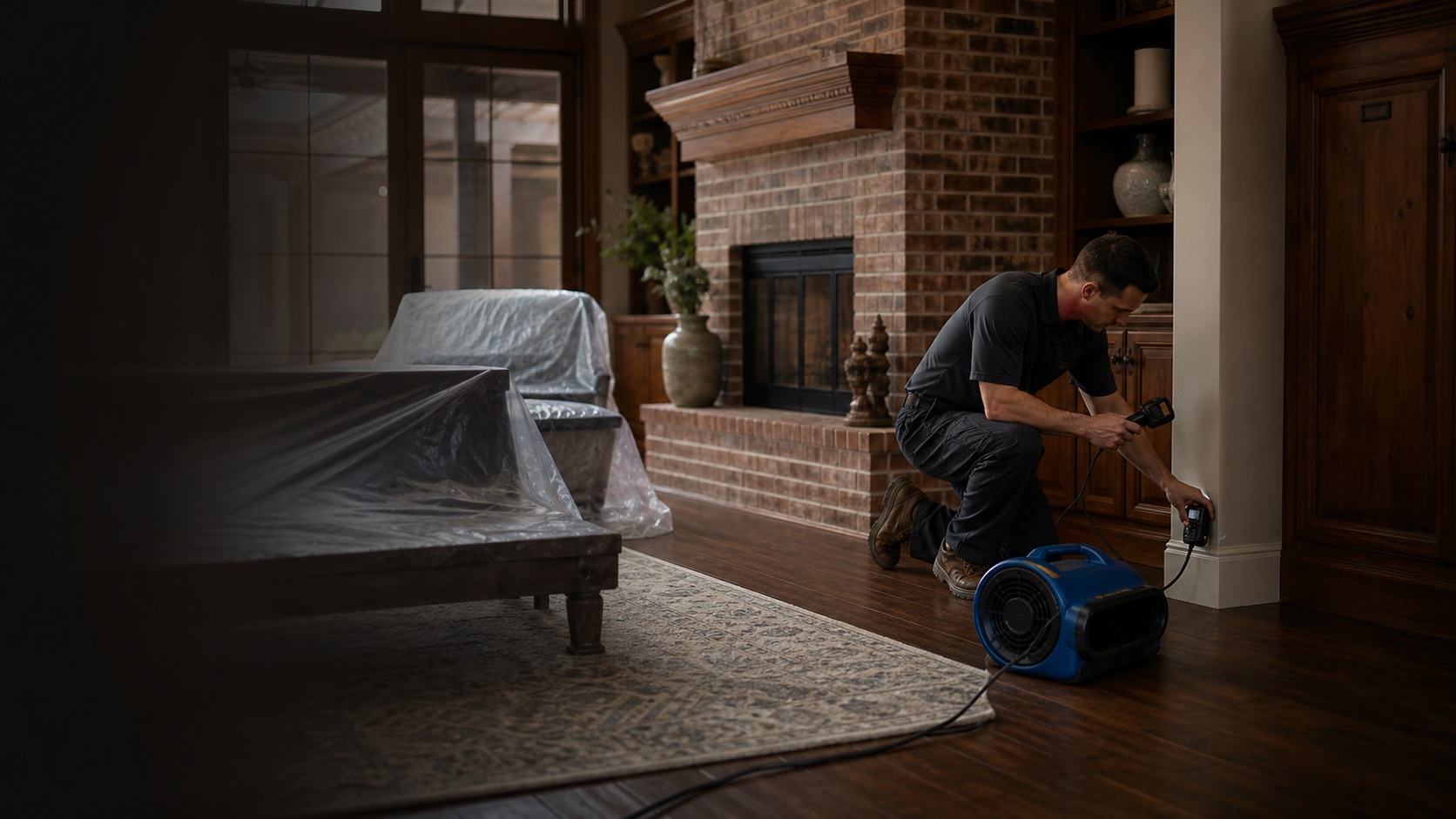
Immediate actions
A practical first response for homeowners.
You do not need to solve everything at once. Focus first on people, the source, and a clear record of what happened.
Stay clear of electrical riskDo not enter standing water near outlets, panels, cords, or powered equipment.
Stop the water only when safeUse an accessible shutoff if you can reach it without entering a hazardous area.
Protect dry belongingsMove irreplaceable items from unaffected areas only when it is safe to do so.
Record the source and spreadNote the timing, rooms, floors, walls, cabinets, and contents involved.
A capable response
From the first questions to restoration planning.
The source, duration, and affected materials determine which steps are appropriate.
Understand
Identify the source, safety concerns, timing, rooms, and visible spread.
Assess
Consider moisture beyond the obvious area and the materials that may hold it.
Dry & clean
Plan water removal, moisture checks, controlled drying, and cleanup as appropriate.
Restore
Make repair decisions after the affected materials and moisture are understood.
Materials tell the story
What got wet changes what comes next.
Each water event is specific to the building and the materials involved.
Flooring and subfloor
Surface water can move at edges or beneath finished flooring, depending on the incident.
Walls, trim, and insulation
Water may travel behind baseboards or into wall assemblies beyond a visible stain.
Cabinets and built-ins
Seams, toe kicks, and enclosed spaces can complicate drying and repair decisions.
Furniture and contents
Belongings deserve attention alongside structural materials, with safety guiding what can be moved.
Follow the path of the water
The first wet spot may not be the last affected area.
Water follows gravity, gaps, seams, and the surfaces available to it. Describing the route it may have taken helps turn a confusing property problem into a more organized assessment.
Roof openings and ceilings
Rain intrusion or an overhead leak can involve roofing materials, attic spaces, insulation, ceilings, walls, fixtures, and the furnishings below.
Upper-floor plumbing
A bathroom, laundry, or supply-line problem upstairs may appear again as ceiling staining, wall moisture, or dripping on the level below.
Tile, concrete, and finished floors
Visible water can travel toward baseboards, floor transitions, cabinets, and adjoining rooms even when the surface itself does not absorb much.
Wood products and subfloor
Water may reach seams, underlayment, adhesive, or the floor structure beneath a finished surface. Edge changes and movement can be useful observations.
Walls, trim, and built-ins
Wall cavities, insulation, cabinet toe kicks, and enclosed spaces may not reveal moisture as quickly as an open floor or ceiling surface.
Accessible subfloor or crawlspace areas
Where a property includes access below the floor, moisture conditions underneath may be relevant to understanding the flooring and structure above.
Property-specific questions
Build the plan around the materials that are actually there.
Fort Worth properties vary in age, layout, construction, and finish materials. The response should reflect the affected building—not a generic checklist detached from the property.
Open the Fort Worth response guideFinished flooring and the layer belowCarpet, hardwood, laminate, tile, padding, adhesive, and subfloor create different questions about access and moisture.
Ceilings and wall assembliesStaining, softened material, bubbling paint, damp trim, or an overhead source can help identify where further assessment belongs.
Cabinetry and architectural woodworkBuilt-ins, toe kicks, seams, backing, and adjacent walls can hold or conceal moisture after a kitchen, bath, or utility leak.
Furniture, rugs, and stored contentsBelongings should be documented and considered with the building materials, especially when water moved through an occupied room.
Planning the work
What determines the scope of a water-damage response?
No responsible website can quote every incident from a city name and a photograph. The source, timing, reach, materials, and access all influence the work that may be appropriate.
Where the water came from and what it contacted shape safety and cleanup priorities.
The time materials may have been wet can change what needs to be checked.
The number of rooms, levels, wall cavities, and belongings involved affects the overall plan.
Flooring, drywall, insulation, cabinets, ceilings, and contents do not respond identically.
Fort Worth homeowner FAQs
Practical answers after a leak, overflow, or storm intrusion.
Does the property still need attention after the leak stops?
It may. Flooring, walls, ceilings, insulation, cabinets, trim, and belongings can remain damp after the visible source is controlled.
Can an upstairs leak affect the level below?
Yes. Water can move through flooring, around penetrations, or into wall and ceiling assemblies. Staining or dripping below the source is important to report.
Should I enter a room with a wet ceiling?
Avoid any area that appears electrically or structurally unsafe. Do not stand beneath sagging material or enter standing water near electrical equipment.
Can tile or concrete hide a wider problem?
The visible surface may not absorb much, but water can still travel toward walls, cabinets, transitions, cracks, seams, or adjoining materials.
What information is helpful on the first call?
Share the suspected source, when the water was discovered, the rooms and levels involved, and the flooring, ceilings, walls, cabinets, or belongings affected.
How long can drying take?
Timing depends on the materials, moisture conditions, access, airflow, and extent of the incident. A reliable estimate requires information about the specific property.
Should repairs start before moisture is checked?
Fast temporary protection can be important, but permanent repairs are easier to evaluate after the affected area and moisture conditions are understood.
Does homeowners insurance cover water damage?
Coverage depends on the policy and circumstances. Keep documentation and contact the insurer for policy-specific guidance; a restoration company cannot guarantee coverage.
Talk through the affected rooms.
Start with what happened, when you noticed it, and where the water reached.
Protect the property from the full water path
Standing water is urgent. Hidden moisture is what gets missed.
Water can move under flooring, wick into drywall, soak insulation, reach cabinets, and cross into adjoining rooms. Fast extraction matters, but controlled drying and moisture checks are what help prevent avoidable demolition, lingering odors, and mold growth.
Emergency water removal
Extract standing water from accessible areas so it cannot keep soaking flooring, trim, drywall, and contents.
Hidden-moisture inspection
Check beneath flooring, behind baseboards, inside wall cavities, around cabinets, and in connected rooms for moisture that is easy to miss.
Structural drying
Use air movement, dehumidification, targeted access, and moisture monitoring to dry affected materials—not just the room air.
Cleaning and sanitation
Clean affected surfaces and address debris or residue based on the water source and the materials involved.
Contents and material decisions
Identify what can reasonably be dried or cleaned and what may need removal before damage spreads or odors settle in.
Repair coordination
Move from mitigation into documented repair planning once affected areas have reached appropriate drying goals.
What is at stake
The water you cannot see can keep damaging the property.
The priority is to stop ongoing damage, remove standing water, locate moisture in connected materials, and dry the structure before avoidable swelling, staining, odor, or microbial growth gets worse.
Stop continued damage
Locate the source, remove accessible water, and protect belongings or materials that are still at risk.
Find the hidden moisture
Inspect the water path in flooring systems, walls, cabinets, ceilings, and adjoining rooms—not only the visible puddle.
Prove the area is ready
Use moisture monitoring to guide drying and material decisions before cleanup turns into repair work.
Insurance claim support
We work with property insurance claims by helping document the loss with photographs, condition or moisture information, and restoration scope details, and we can coordinate with your insurance adjuster when requested. Coverage, deductibles, and payment decisions remain subject to your policy and carrier.
Serving Fort Worth, TX
Property owners throughout Fort Worth, TX can call for help with assessment, cleanup, documentation, and a practical restoration plan based on the damage found at the property.
Plan the full water-damage response
Good restoration decisions connect damage, drying, and repairs
The important work is the reasoned sequence from the first inspection through repair planning. Ask how each proposed step relates to the source, affected materials, and moisture findings.